Jul 7, 2026 | Featured Story
Industrial facilities operating in high-risk environments often face a shared challenge: explosions do not remain neatly contained at the point of origin. It can move rapidly across connected systems, structural openings, ventilation routes, service corridors, and adjoining rooms. For facilities in Singapore that support defence, energy, infrastructure, and critical operations, engineered protection is an important part of safety planning. Managing this type of risk requires more than one protective feature installed at one access point. It calls for coordinated systems that control how pressure behaves before it affects people, equipment, and critical zones. This guide examines how explosion protection systems work across industrial facilities and how integrated solutions from FUCARE support controlled, engineered protection without relying on a single line of defence.
Explosion protection systems are developed to manage how pressure builds, travels, and is released during an overpressure event. Rather than focusing only on the visible point of impact, these systems address how force can move through doors, windows, ducts, HVAC pathways, and connected rooms. In practical terms, this is a matter of pressure behaviour. During an explosion, pressure seeks available pathways. If those routes are not controlled, the impact can spread beyond the original zone, placing nearby areas at risk. Effective protection, therefore, depends on understanding where pressure may travel, which barriers must hold, and where controlled release may be required.
FUCARE approaches this through coordinated components that allow pressure to be contained, redirected, or relieved in a controlled manner. This helps pressure control work consistently across the facility, instead of leaving each opening, pathway, or connection to respond on its own. In high-security and industrial environments, this type of planning supports industrial safety by making the behaviour of protective elements more predictable during blast-related events. It also helps project teams make decisions based on engineered performance rather than assumptions about individual product strength.
Relying on individual protective elements without coordination can leave gaps in how pressure behaves across a site. A strong door may protect one access point, but pressure can still pass through ventilation systems, utility penetrations, windows, adjoining corridors, or weaker structural pathways. This is why a single barrier should not be treated as a complete protection strategy. In complex facilities, one protected zone is often connected to several other zones. If these connections are not considered together, pressure may bypass the intended protection line and affect areas that were not expected to be directly impacted.
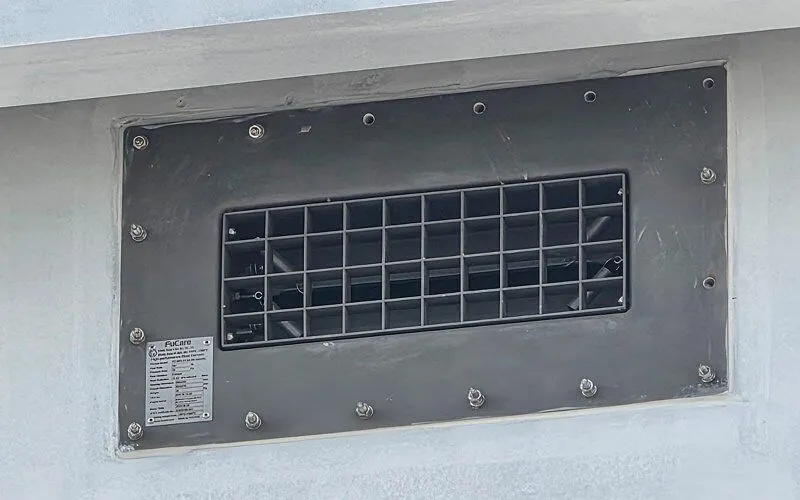
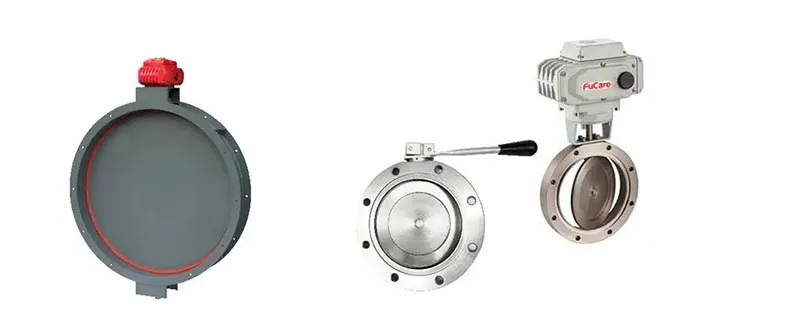
Integrated protection relies on multiple engineered components, each performing a specific function within the overall system. FUCARE develops and manufactures products, including special metal doors and windows, HVAC valves, dampers, and other protective components for environments exposed to blast and ballistic threats. For example, a blast valve can help manage pressure movement through ventilation pathways, especially where air routes connect protected and non-protected zones. This allows ventilation-related openings to be considered as part of the wider protection strategy rather than treated as secondary details.
These components are not most effective when treated as separate products. They need to be selected and positioned according to how the facility operates. Doors, windows, ducts, dampers, valves, and vents should be reviewed in relation to one another so the overall system can respond in a predictable manner. In a coordinated setup, pressure may be contained within a defined area, redirected away from sensitive zones, or released through planned relief points. This helps reduce the risk of structural overload and supports a more controlled outcome during an overpressure event.
A system-based approach ensures that components work together, enabling consistent pressure management across multiple areas. Instead of reacting at isolated points, explosion protection systems create a planned response that accounts for how one protective element affects another. This is especially important for defence facilities, oil and gas sites, safety shelters, and critical infrastructure projects where continuity, access control, and life safety must be considered together. For procurement teams, engineers, architects, and M&E contractors, coordinated design also supports clearer risk management during specification and installation planning. In Singapore, broader workplace safety guidance on flammable materials also reinforces the need to consider ignition sources, combustible materials, and site-level controls, which makes coordinated protection planning more effective than relying on isolated protective features alone.
Effective explosion protection systems often begin with containment. Containment limits pressure within a selected zone and helps prevent it from spreading uncontrolled into surrounding areas. This is especially relevant for safety shelters, protected rooms, and high-risk operational spaces where separation from adjacent areas is essential. Containment does not mean every surface simply needs to be made stronger. It means the protected zone must be assessed as a connected system, including entry points, glazing, ventilation openings, and structural interfaces.
Redirection guides pressure through controlled pathways, reducing the likelihood of impact on critical rooms, escape routes, control areas, or protected equipment. Relief allows excess pressure to be released in a controlled manner, reducing the risk of structural failure. Within ductwork or air movement systems, a blast damper can support a controlled response when pressure needs to be restricted, redirected, or managed through engineered pathways. Its role should be planned alongside the wider containment, redirection, and relief strategy. FUCARE’s system approach supports these responses through products developed for high protection performance and functional performance. This means protection is considered alongside the practical requirements of access, ventilation, and ongoing facility use.
Every industrial facility has a unique structure, with different operational zones, service routes, access points, and ventilation connections. These factors influence how pressure behaves during an explosion event. A compact site, a large process facility, and a protected shelter environment will not manage pressure in the same way. The facility layout must therefore be considered early in the protection planning process. If pressure movement patterns are not aligned with the placement of protective components, the system may not perform as intended across the full site.
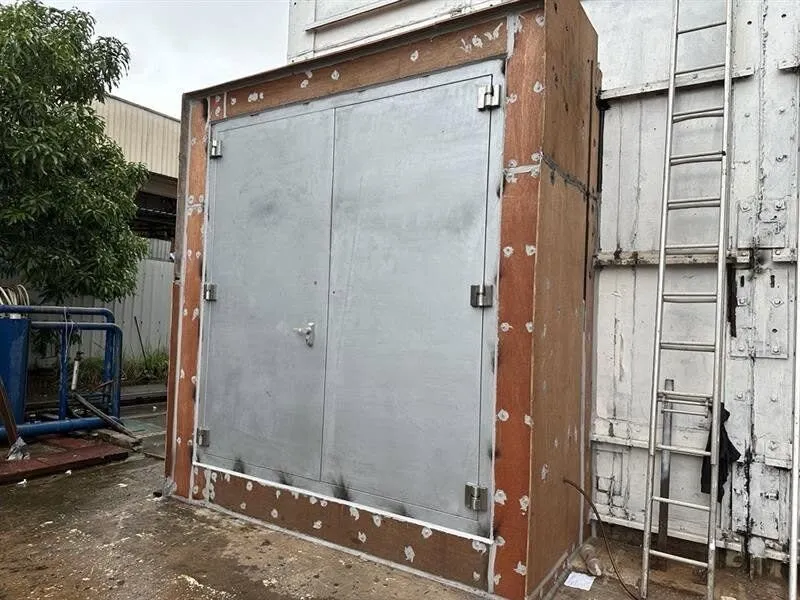
In Singapore, many critical and industrial facilities need to balance protection with operational efficiency, space limitations, maintenance access, and compliance-driven project requirements. This makes practical engineering especially important. Explosion protection systems should be planned around how people, air, equipment, and services move through the facility. FUCARE’s experience in protective construction materials, HVAC-related protection products, and blast-and ballistic-related applications enables these considerations to be addressed as part of a coordinated design conversation. At key access points, a blast door provides blast resistance while supporting secure separation between operational zones. Its placement should reflect how people, equipment, and pressure may move through the facility during normal operations and emergency conditions.
A coordinated system provides more predictable and controlled behaviour during an overpressure event. Instead of relying on individual components acting independently, the system provides a unified response across connected areas. This reduces uncertainty for facility owners, consultants, contractors, and safety teams. It also supports clearer decision-making during design, procurement, and installation because each component has a defined role within the overall protection strategy.
The key benefit of engineered coordination is that decisions are made before an event occurs. Containment points, relief areas, protected access routes, and ventilation controls are considered in advance, based on how pressure is expected to move. However, system design still requires careful assessment. Protective components must be suited to the facility’s risk profile, structural conditions, and operational requirements. No single product can replace proper engineering review, and performance depends on correct specification, installation, and integration.
Explosion pressure does not behave in isolation, so industrial facilities should not approach protection as a collection of separate products. Doors, windows, valves, dampers, ventilation routes, and structural zones must work together to support a controlled response across the site. For defence, infrastructure, oil and gas, and high-security environments in Singapore, explosion protection systems provide a practical framework for managing pressure through containment, redirection, and relief. FUCARE supports this approach through engineered protection products designed for safety shelters and facilities exposed to blast and ballistic threats. Its focus on high-protection and functional performance, along with ongoing technological development, makes it relevant for project teams that need practical, standards-based protection planning. Speak with FUCARE to assess how coordinated protective components can support safer, more controlled performance across your industrial facility.